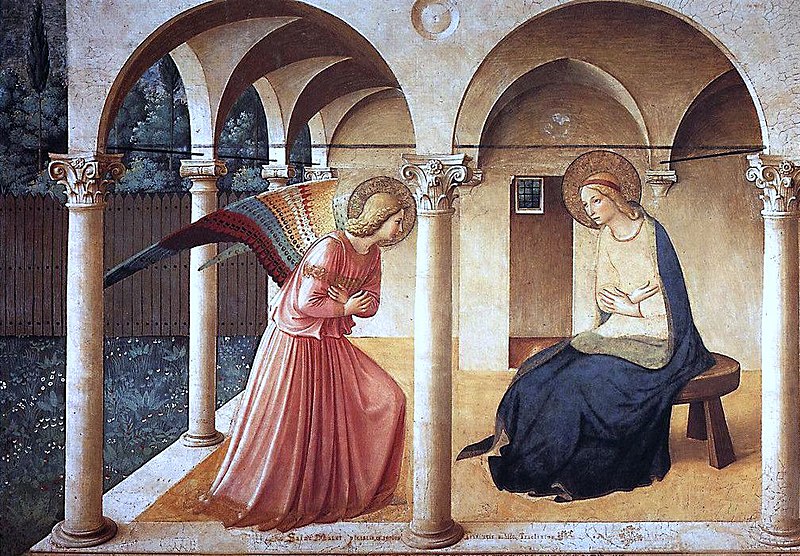
The angel said to him, “I am Gabriel. I stand in the presence of God, and I have been sent to speak to you and to tell you this good news.
Luke 1:19
In the introductory post for the Speaking of the Kingdom series, I kicked things off by acknowledging a big mistake on my part. You see, I used to attribute certain aspects of scripture to religion, when in reality, they are deeply connected to the concept of a kingdom. I wanted to share this realization with you all because, like me, you might have also accepted unfamiliar or peculiar elements as spiritual characteristics of Christianity without realizing that they are actually common features associated with life in a kingdom.
Throughout this series, we’ve delved into various topics such as the Kingdom of God, the Gospel, preaching, faith, baptism, and messiah, all within this framework. It’s important to note that these are not just religious ideas, but they actually form part of the language of a kingdom.
Now, let’s talk about angels! This week, we’ll be exploring this fascinating topic. You might be thinking, “Angels clearly belong to the religious realm, right? I mean, beings with wings that appear in the sky have nothing to do with earthly kingdoms, correct?” Well, it certainly seems that way. Angels are indeed a religious concept, but let’s dive deeper and discover whether there’s more to them than meets the eye.
In popular culture, angels are often portrayed as these amazing celestial beings with a divine purpose, renowned for watching over us and providing guidance through supernatural means. However, before we jump to any conclusions about our understanding of angels in the Bible, let’s take a moment to consider the possibility that they might have served a similar role to the historical messengers who conveyed important messages for earthly kings!
Messengers in Ancient Courts
To truly understand the connection between angels and royal messengers, it’s important to explore the depths of ancient history. Back in the days of kings and rulers, messengers played a vital role in sharing the ruler’s commands, decisions, and decrees. They were responsible for delivering crucial messages that ensured effective communication throughout the kingdom. Similarly, in the Bible, angels are depicted as messengers sent by God to deliver divine revelations and guidance to humanity.
The Bible is full of instances where angels play the role of messengers, delivering important messages from the divine realm to people on earth. One really special encounter is found in the story of the Annunciation, where the angel Gabriel shows up to the Virgin Mary to let her know that she is going to have a baby, and not just any baby, but Jesus! It’s like this angel is the middleman between heaven and earth, kind of like what messengers used to do in old royal courts.
In the sixth month of Elizabeth’s pregnancy, God sent the angel Gabriel to Nazareth, a town in Galilee, to a virgin pledged to be married to a man named Joseph, a descendant of David. The virgin’s name was Mary. The angel went to her and said, “Greetings, you who are highly favored! The Lord is with you.”
Mary was greatly troubled at his words and wondered what kind of greeting this might be. But the angel said to her, “Do not be afraid, Mary; you have found favor with God. You will conceive and give birth to a son, and you are to call him Jesus. He will be great and will be called the Son of the Most High. The Lord God will give him the throne of his father David, and he will reign over Jacob’s descendants forever; his kingdom will never end.”
“How will this be,” Mary asked the angel, “since I am a virgin?”
The angel answered, “The Holy Spirit will come on you, and the power of the Most High will overshadow you. So the holy one to be born will be called the Son of God. Even Elizabeth your relative is going to have a child in her old age, and she who was said to be unable to conceive is in her sixth month. For no word from God will ever fail.”
Luke 1:26-37
Angels as Envoys of Divine Will
Angels in the Bible go beyond just being messengers; they actually embody the will and presence of God. Their appearances aren’t random, but rather, carefully planned to fulfill specific divine purposes. This is similar to how messengers in ancient courts were carefully chosen and their missions were crafted to reflect the desires of those in power. As divine envoys, angels play a crucial role in communicating God’s will to humanity.
The angel said to the women, “Do not be afraid, for I know that you are looking for Jesus, who was crucified. He is not here; he has risen, just as he said. Come and see the place where he lay. Then go quickly and tell his disciples: ‘He has risen from the dead and is going ahead of you into Galilee. There you will see him.’ Now I have told you.”
Matthew 28:5-7
What Are You Saying?
When we explore biblical texts, it’s fascinating to discover that the ancient Greek word for “angel” is the same as the word for “messenger.” This connection between language sheds new light on the role of angels in the Bible, inviting us to see them as messengers from the ruler of God’s Kingdom.
In the Greek New Testament, the word “angelos” is used for both angels and messengers. This linguistic parallel emphasizes that these heavenly beings are not only divine representatives but also conveyers of messages from the heavenly realm to us.
When we come across references to angels in the Bible, it is crucial to consider their primary function as messengers. These heavenly beings serve as channels through which God’s will and guidance are communicated to humanity. They act as intermediaries, delivering divine messages, announcing prophecies, and guiding individuals in alignment with God’s overall plan.
By viewing angels as messengers first and foremost, we gain a deeper understanding of their importance in the biblical narrative. Each appearance of an angel becomes a divine message, carrying the authority and wisdom of the highest ruler in the universe. Whether they announce the birth of a savior, deliver warnings, or reveal the fulfillment of God’s redemptive plan, angels represent the divine communication between heaven and earth.
Ultimately, the ancient Greek connection between “angelos” and “messenger” invites us to approach the biblical portrayal of angels with a fresh perspective. As we read about these heavenly beings, let’s recognize them as messengers of the highest authority in God’s Kingdom, bearing messages that shape human history and guide us on our spiritual journey.
The Angelic Hierarchy
The hierarchical structure of angels in Christian theology further supports the idea of their origins as messengers. Archangels, such as Michael and Gabriel, are often depicted as high-ranking celestial beings with distinct roles and responsibilities. This echoes the organizational structure found in earthly courts, where messengers held varying ranks based on their proximity to the king and the importance of their missions.
For the Lord himself will come down from heaven, with a loud command, with the voice of the archangel and with the trumpet call of God, and the dead in Christ will rise first.
1 Thessalonians 4:16
The idea that angels in the Bible come from their role as messengers for a king adds an interesting historical dimension to our understanding of these heavenly beings. By comparing the divine messengers to their earthly counterparts, we can learn more about the cultural and social circumstances that shaped the understanding of biblical stories. Angels, acting as messengers of God, connect the earthly and the divine realms, delivering messages that have a profound impact on human history and spirituality.
An angel of the Lord appeared to them, and the glory of the Lord shone around them, and they were terrified. But the angel said to them, “Do not be afraid. I bring you good news that will cause great joy for all the people. Today in the town of David a Savior has been born to you; he is the Messiah, the Lord. This will be a sign to you: You will find a baby wrapped in cloths and lying in a manger.”
Suddenly a great company of the heavenly host appeared with the angel, praising God and saying,
“Glory to God in the highest heaven,
and on earth peace to those on whom his favor rests.”When the angels had left them and gone into heaven, the shepherds said to one another, “Let’s go to Bethlehem and see this thing that has happened, which the Lord has told us about.”
Luke2:9-15
Additional Scriptures and Discussion Questions
Question: How does the historical role of messengers in ancient courts provide a meaningful context for understanding the portrayal of angels as messengers in the Bible? How does it shape your understanding of angels?
Question: How do biblical narratives, like the Annunciation, shed light on the similarities between angelic messengers and their earthly counterparts in ancient royal courts?
Question: To what extent do you think the cultural and societal contexts of the time influenced the development of the biblical narrative surrounding angels as messengers?
Question: Can you think of other instances in the Bible where angels play a crucial role as messengers, delivering divine messages or guidance. How do these instances align with the historical role of messengers in ancient courts?
Question: In the blog post, it’s mentioned that angels are not just messengers but also embody the will and presence of God. How does this dual role contribute to the significance of angels in biblical narratives?
Question: How might the idea that angels have their origins as messengers for a king impact the way we interpret and approach biblical texts? What insights does this perspective offer for modern-day understanding of angelic beings?

Next week’s Topic: The Word of God
Make sure to subscribe on the blog or follow me on Facebook (both options available at the bottom of the page). Please share with your friends or church if you find these posts helpful or thought provoking.
Support
If you find any of this helpful and want to support these projects you can click the Support button below to “Buy Me A Coffee”
 Tanner H Griffin
Leave a comment